Proven software meets
a new standard.
Legacy systems now face modern performance gaps. Controlled incremental modernization adapts current software to cloud and AI strategies, advancing the digital core while ensuring complete business continuity.
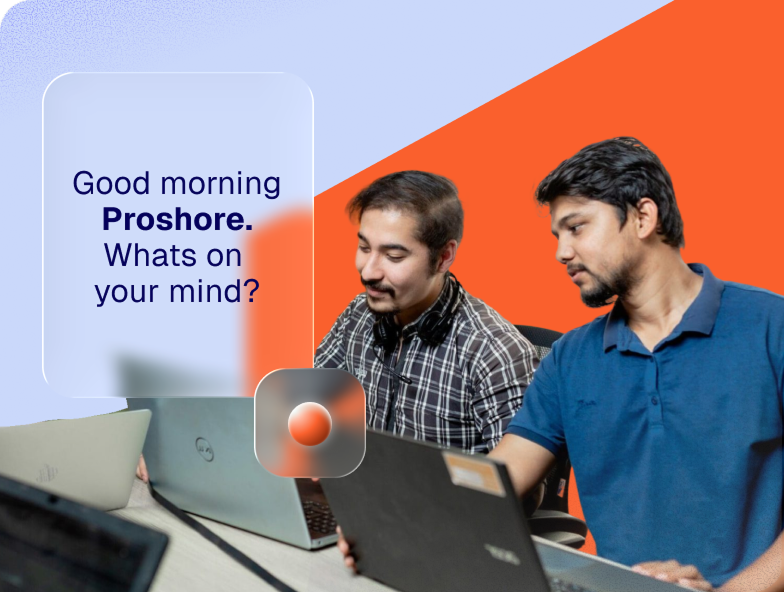
Where Strategic Intent Meets Systemic Friction
Complete system replacements require substantial initial investment and prolonged operational interruption.These challenges share a common root: there aren't enough engineers to modernize and deliver at the same time. Hiring them takes longer than your roadmap allows, and freelancers don't bring the continuity that modernization demands.
Increasingly, organizations recognize that the difficulty lies in aligning AI with established ways of working.
The Challenge
The Impact on the Organization
High Technical Debt
Legacy code and shortcuts extend timelines and divert budget from innovation to maintenance.
Limited Flexibility
Existing systems block easy integration with AI and cloud, delaying transformation and business response.
Outdated Technology
Aging platforms increase security and operational risk while inflating maintenance costs and limiting scale.
Skills Scarcity
Talent for legacy and modern tech is scarce and expensive, slowing progress and raising support costs.
Risk of Disruption
Fear of outages during core changes blocks essential updates, leaving the organization tied to outdated systems.
Our Software Modernization Capabilities
We modernize your systems in phases. Each step delivers measurable improvement without disrupting what already runs.
These examples demonstrate the secure deployment of AI within enterprise environments to strengthen performance and enable smarter ways of working.
Embedded Teams
Secure & Compliant Development
Cloud-Ready & Modular Design
Phased System Evolution
Strategic Roadmaps
AI-Ready Digital Foundations


Where Systems Demand Evolution
Continuous software modernization requires modular, cloud-native foundations to enable innovation and reduce long-term maintenance overhead.
Application Assessment
Incremental Modernization
Continuous Innovation
Where Impact Compounds
Effective modernization eliminates unnecessary bloat by addressing specific industry operational friction points.
Food and Agriculture
Moving manual, spreadsheet-based workflows into stable, cloud-based systems for global operations to reduce long-term overheads.
Manufacturing
Replacing fragmented logging with real-time tracking to improve production visibility and system agility.
Health and Pharma
Modernizing patient platforms and analytics solutions to deliver new features faster while maintaining strict data security.
Logistics
Transforming old "monolith" software into flexible microservices, reducing technical debt to handle high-volume orders.
Used by the world's leading companies




Where Our Work Creates Visible Change
When systems improve, the entire organization feels the shift. These stories highlight the kind of progress teams experience.
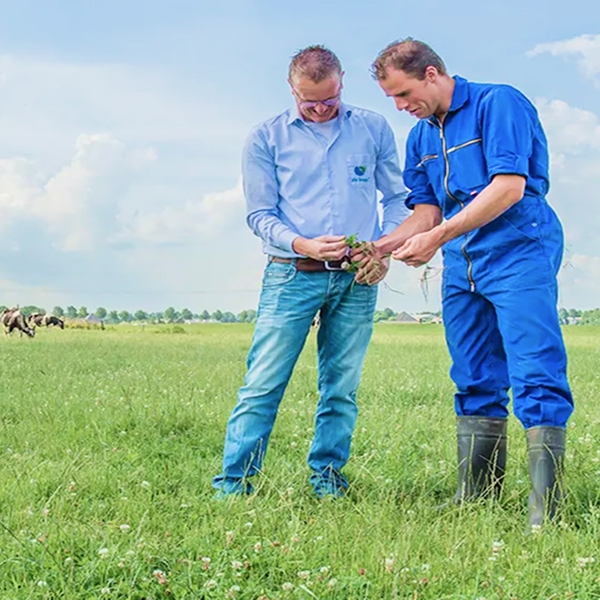
Since 2018, Proshore has supported De Hues in replacing spreadsheet-driven operational workflows with scalable, cloud-based systems integrated across business units.
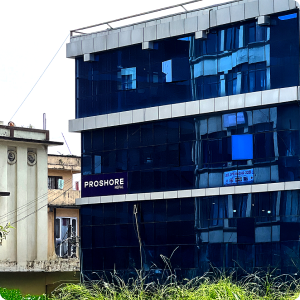
Proshore transitioned SiteGuru's monolithic application to a microservices architecture, enhancing system flexibility and ensuring minimal service disruption for end users.

This modernization continued with the replatforming of a critical Health Catalyst analytics solution to a modern architecture, improving data processing speed and scalability.
How We Work with Companies
We start with a short founder call to understand your business
From there, the next steps are worked through together.

Questions
Full replacement is often too risky and expensive. Incremental modernization allows you to update your systems in phases, reducing the risk of business disruption while spreading the cost over time.
Yes. Most companies we work with are in the same situation. Our engineers join your modernization project and work under your architecture and standards. Your team stays focused on what they know best as the modernization progresses.
We use architecture-led roadmaps and incremental refactoring. This means we update only parts of the system at a time, ensuring your daily operations remain stable and secure.
Not necessarily. We focus on cloud-ready, modular designs that enable your existing software to work with modern technologies such as AI and cloud infrastructure.
You will see early results in reduced maintenance effort and improved system agility. Over time, this leads to faster delivery of new features and lower long-term IT costs.